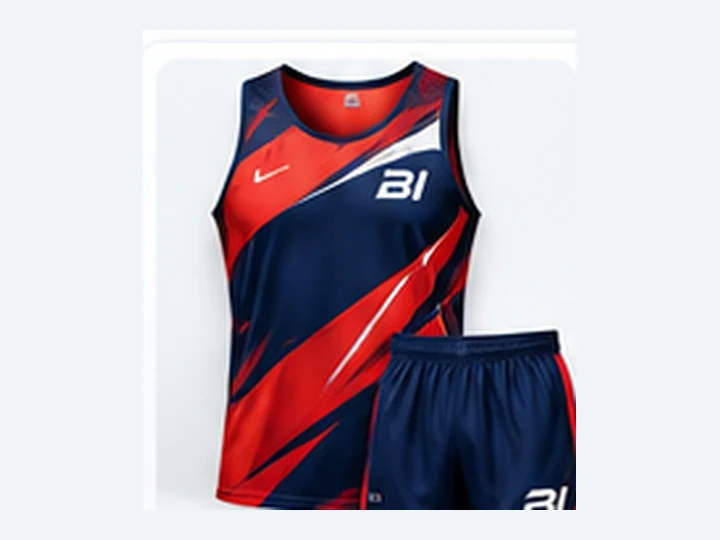
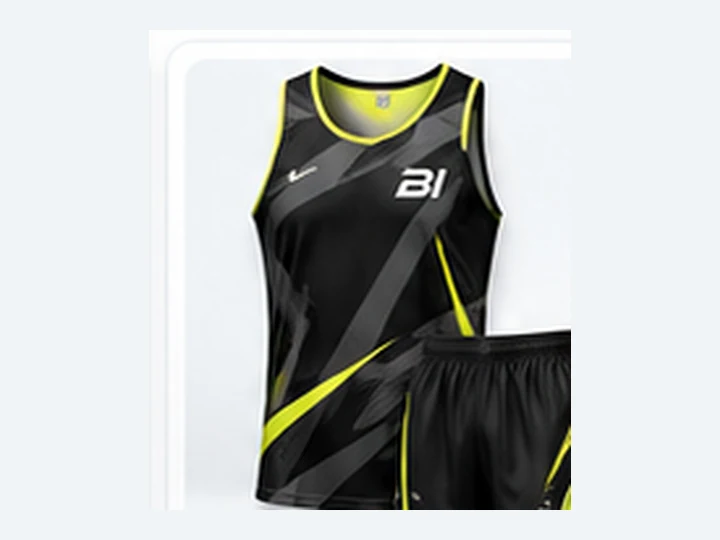
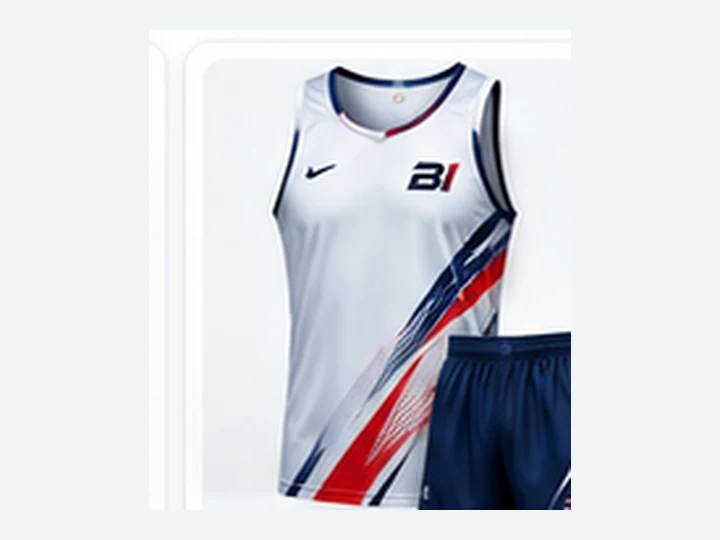
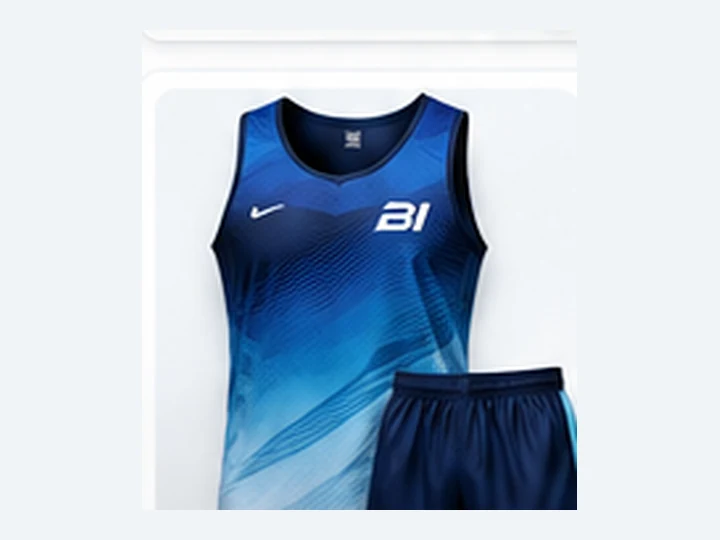
Match garment choice to the runner
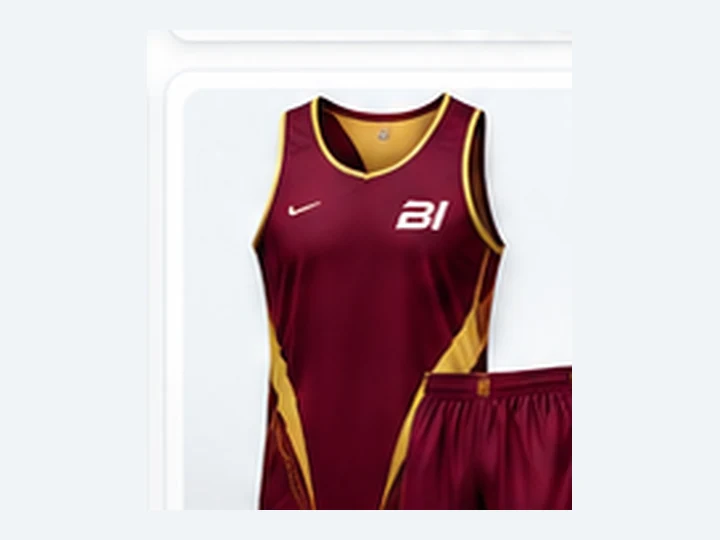
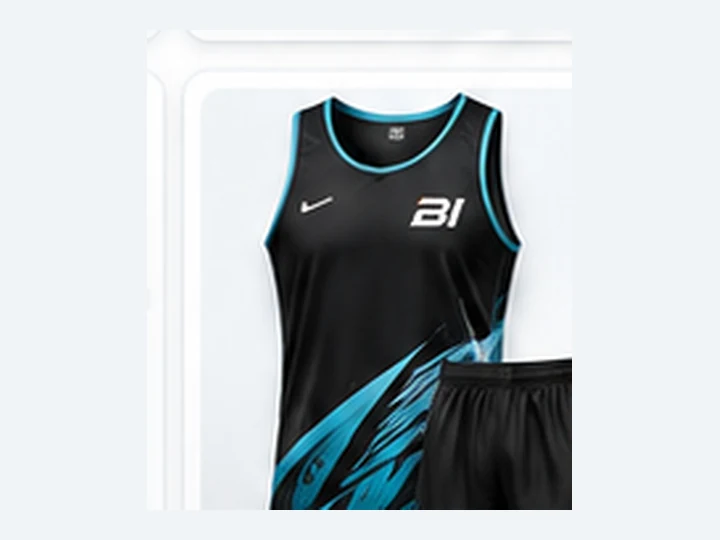
A road-racing singlet, track training shirt and trail-running top can differ significantly. Describe the environment and intended activity, including layering or longer-run storage needs. Document neckline, armhole and hem lengths with a physical sample or technical drawing.
Shorts, waistbands and practical details
Running shorts may involve different inseams, inner-liner choices, waist construction or storage pockets. These details affect both comfort and manufacturing complexity. Share the exact feature list and ask for a sample rather than assuming a generic sports short meets the requirement.
Event artwork and sponsor consistency
Running clubs and race organisers often need high-visibility logos or event artwork. Send vector designs, positioning dimensions and each colour variation. Review graphics on a prototype to check readability and the way seams or fabric panels interrupt the design.
Plan participant sizing and replenishment
A race event may involve a wide range of sizes and a fixed date. Gather garment-by-size projections early, specify packing requirements and discuss feasibility with the factory. For clubs, agree how small follow-up orders and design version changes will be handled.
From sampling to approved bulk production
Once the design, measurements, material and artwork have been agreed, request a sample or documented production approval process. Check the fit, appearance, decoration, identification labels and size breakdown. For packaging or export instructions, include the destination and any buyer requirements in the purchase order. More detail is available on our pattern making and cutting, embellishment and quality checking department sections.