Choose the trouser silhouette and field use
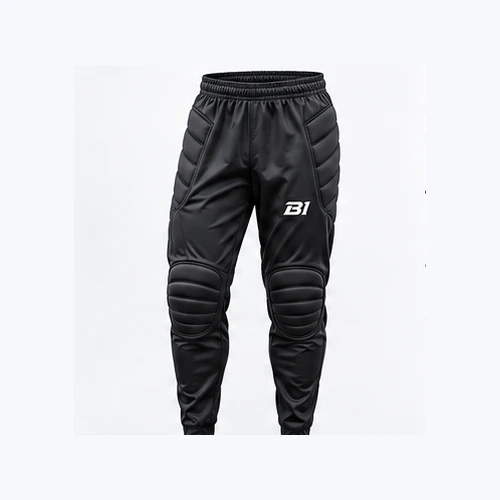
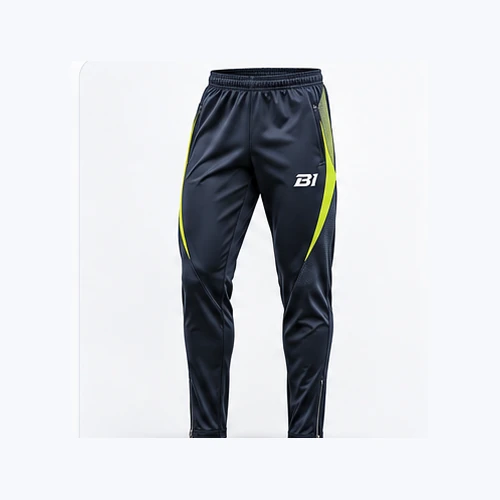
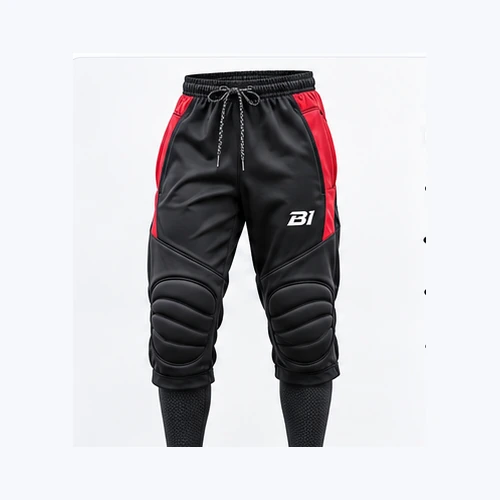
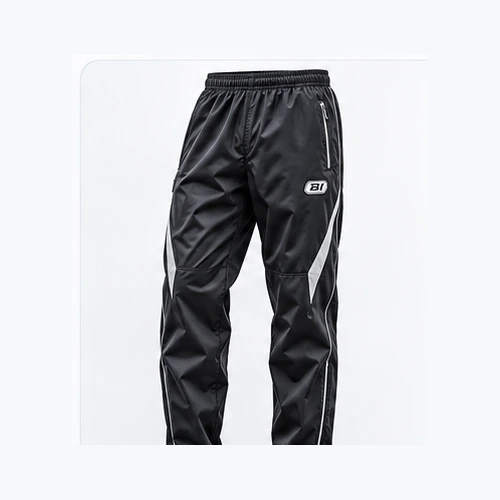
Define whether the product is meant for goalkeeper training, match use or club leisurewear. Provide a sample or sketches covering leg taper, rise, inseam, cuff width and waistband construction. Full-length styles may need a different ankle finish from three-quarter pants. Include measurements for youth and adult groups where relevant rather than relying on a generic size label.
Assess high-contact zones carefully
Goalkeepers may dive or slide, so the knee and side-hip areas require particular attention. If padding or abrasion-resistant overlays are requested, show their exact location, dimensions and seam treatment in the technical pack. Do not assume a fabric offers certified impact protection without verified testing. Review a wearer sample for restricted mobility, added bulk or rubbing.
Specify materials, stretch and finishes
Ask for sample fabric choices that can be evaluated for opacity, hand feel, stretch, wash behaviour and comfort. Define pocket policy, drawcord, waistband elastic and cuff type. Check the look of colour panels when paired with the matching goalkeeper jersey. Embroidery or printed logos should be positioned away from heavy-friction zones whenever the design allows.
Prepare a repeatable team order
Create a size roster and product codes that distinguish padded and unpadded trousers, lengths, colours and crest versions. Record an approved reference sample, measurements and wash-care information before discussing quantities. Shipping terms, factory capability, MOQ and production lead time must be confirmed in a specific quotation rather than inferred from this guide.
Buyer approval checklist and specification control
For goalkeeper trousers, create a written specification that records the intended wearer or end user, approved measurements and grading rules, garment construction diagrams, material samples, colour references and branding artwork. State the quantities by size and colour and confirm whether the order needs individual names, labels or customised packing. Agree how the sample will be assessed for fit, movement, stitching, finish and wash-care details. Where required, request independent performance evidence for any functional claim before publishing it in a catalogue. Keep dated sample approvals and version numbers so revisions, additional teams and repeat wholesale orders can be compared against the same documented baseline.