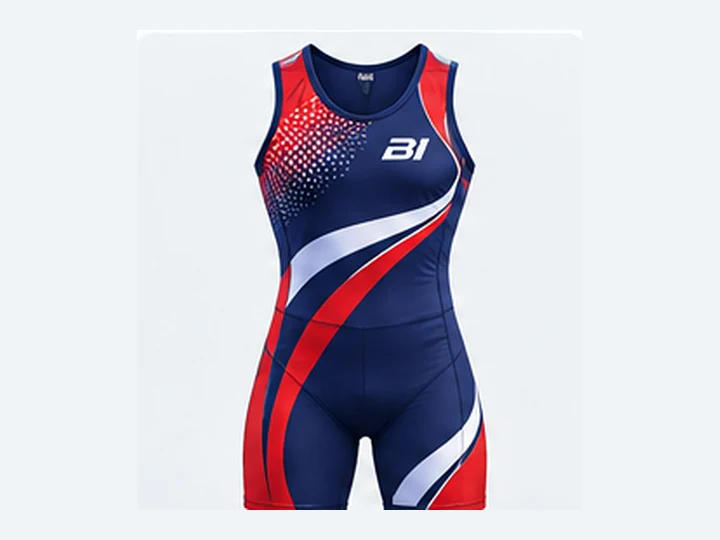
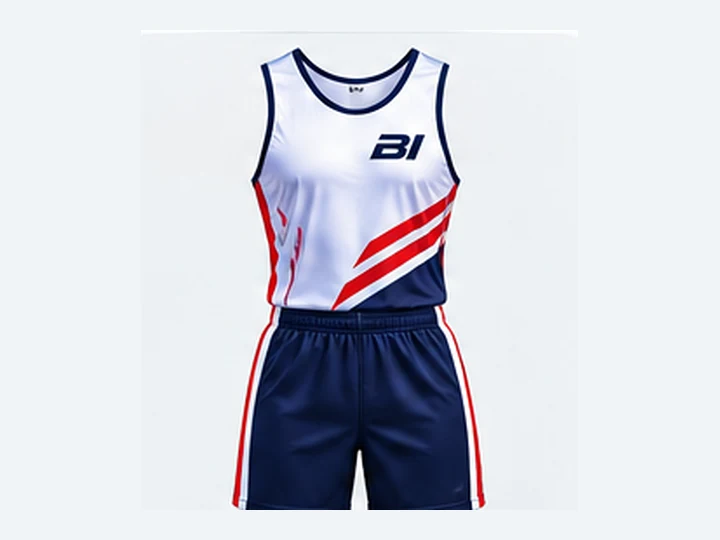
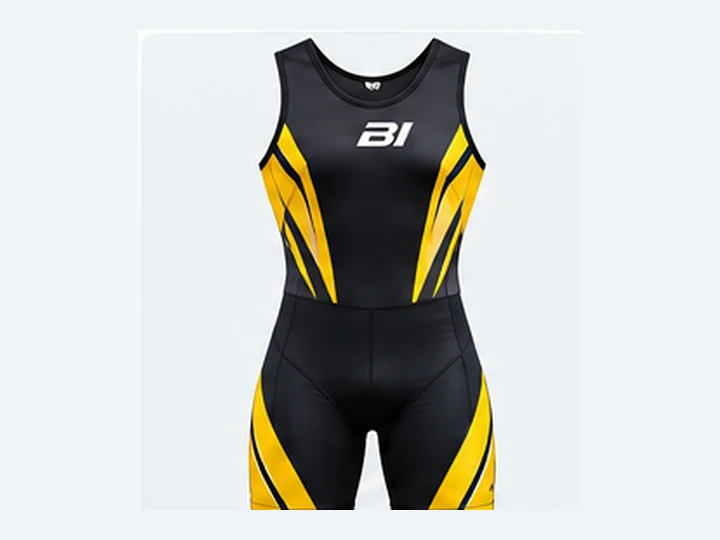
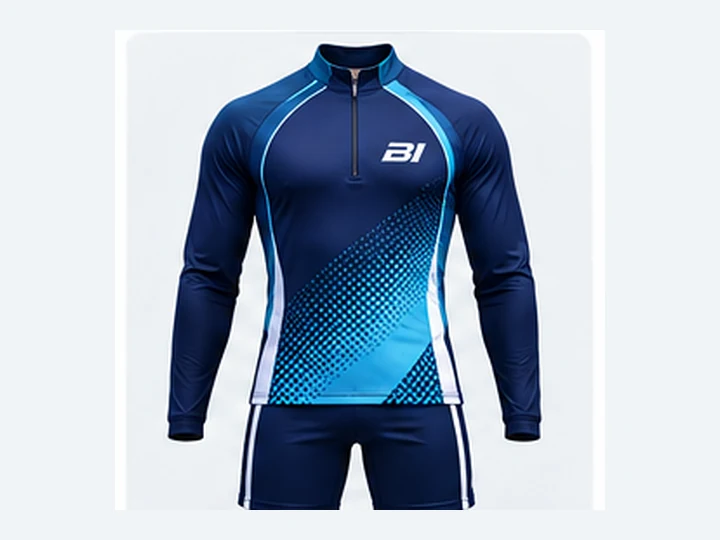
Define racing-suit construction and team discipline
Clarify whether the club requires a one-piece unisuit, a separate performance top and shorts, or training apparel. A one-piece pattern needs an agreed torso length and body-fit reference, while separate garments need top-and-bottom size charts. Include gender-specific fits only where required by the buyer, and state whether the kit is intended for racing, training or travel.
Check fabric stretch, recovery and seam positions
Ask the factory to compare suitable fabric samples by weight, stretch direction, opacity, hand feel and recovery after repeated movement. Draw attention to shoulder motion, seat and side panels, underarm rub points and hems. Seams and graphics should not create avoidable discomfort during the seated stroke. Test a physical sample before approving bulk production; exact fabric properties must be confirmed.
Plan club branding and athlete roster files
Supply vector crest files, colour references, artwork placement measurements and separate specifications for racing and training gear. Decide whether team names or sponsor marks sit on side panels, front or back. A roster should connect each name, number where used, garment size and approved design. Confirm how new athletes will be added in repeat orders.
Control sampling and bulk-order expectations
Agree a sample approval checklist covering the pattern, seam finish, sizing, decoration, wash care and packaging. Check how stretch affects printed artwork and whether the sample should be tested during rowing movement. For wholesale programmes, keep an approved technical pack and version number so replacement orders match earlier batches. Production methods, lead times and minimum quantities need written confirmation.
Buyer approval checklist and specification control
For rowing uniforms, create a written specification that records the intended wearer or end user, approved measurements and grading rules, garment construction diagrams, material samples, colour references and branding artwork. State the quantities by size and colour and confirm whether the order needs individual names, labels or customised packing. Agree how the sample will be assessed for fit, movement, stitching, finish and wash-care details. Where required, request independent performance evidence for any functional claim before publishing it in a catalogue. Keep dated sample approvals and version numbers so revisions, additional teams and repeat wholesale orders can be compared against the same documented baseline.